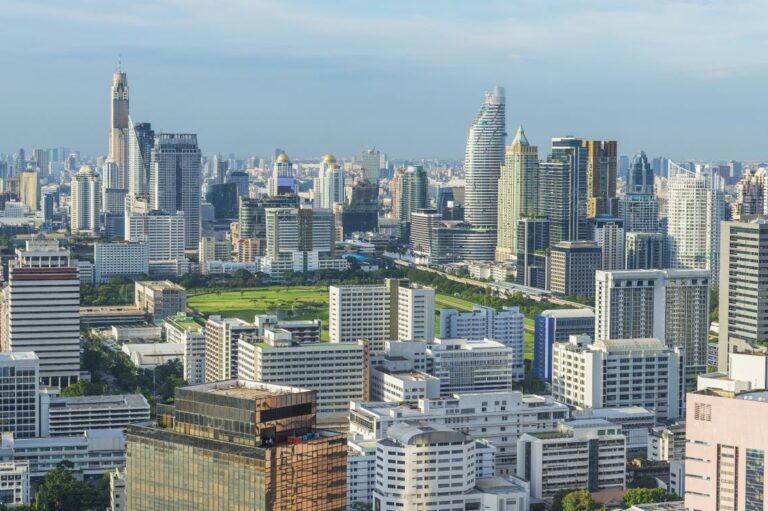
6 must-visit scenic countries in Asia

Asia presents a wide range of travel opportunities. The continent has an array of options shaped by unique landscapes, culture, and infrastructure. Each country, whether it be scenic Sri Lanka or vast India, offers a distinct perspective. Travelers can choose from highly urbanized city-states to regions defined by natural landscapes and heritage. Depending on their personal interests, travel pace, and the regions they want to explore, travelers can visit multiple countries in Asia. Vietnam Vietnam is among the budget-friendly destinations worth exploring in Asia. It is a stunning destination with a lot to experience, from quaint cafes by the railway track to the unique egg coffee. A holiday in Vietnam offers a rich blend of culture, history, traditions, and mesmerizing landscapes. The country is full of beautiful valleys, majestic monuments, alluring national parks, sparkling beaches, and surreal mountains. The country’s wilderness often tempts tourists into spending quality time there. They can explore the ancient town of Hoi An, stroll through Ho Chi Minh City’s vibrant streets, try Phu Quoc’s delicious food, and cruise in Ha Long Bay. Indonesia This Asian country is an archipelago known for its breathtaking beaches. It is one of the preferred destinations for those seeking an exotic getaway.
Read More

6 must-visit scenic countries in Asia

Factors to consider when picking a travel destination

Choosing a destination is an exciting starting point for planning a trip. However, this decision also significantly impacts every other aspect of the journey. The travel destination influences the pace, daily routines, expenses, and the kinds of experiences one encounters along the way. A location that looks appealing on paper may feel very different once weather, accessibility, and time constraints come into play. So, it is best to select a destination keeping a few factors in mind. Purpose of travel Every trip has a purpose. One could be traveling for work, to relax or explore, or simply to experience different cultures. Understanding the purpose of the trip can help narrow down options. Some places are ideal for unwinding or slowing down and enjoying the surroundings, while others are ideal for adventure travels. Identifying the primary intent helps one adjust their expectations for the trip. For instance, places known for heritage sites, museums, and historic neighborhoods are great for cultural exploration, while coastal regions and hill towns are often associated with rest and scenic experiences. Travel budget Deciding on a travel destination depends on several factors, budget being one of them. It plays a central role in the process. Travel costs can also significantly vary based on geography, distance, season, and infrastructure.
Read More
Factors to consider when picking a travel destination

5 reasons to buy travel insurance

Traveling needs to be stress-free and relaxing, and having travel insurance can ensure that. It serves as a safety net, protecting policyholders from unexpected costs while traveling. What’s more, travel insurance is quite affordable, and many travel companies offer insurance as part of their broader holiday package deals. If not included, travelers can opt for one from a popular provider to minimize the risks of travel. Coverage for unexpected wellness issues and needs Unforeseen issues, such as wellness concerns, can disrupt plans. In this case, travel medical insurance can help by covering access to appropriate care and management options. Without insurance coverage, finding and coordinating healthcare support in an unfamiliar location can be complicated and expensive. To avoid major disruption in travel plans and reduce stress, including insurance in a holiday package is prudent and helpful. Protection against trip cancellations Trips may need to be cancelled or rescheduled due to unforeseen circumstances. Such disruptions can include health emergencies, changes in schedule, or weather-related concerns. If travellers have travel insurance policies in place, providers can reimburse non-refundable expenses such as transportation, accommodation, or tour bookings. Investing in a good policy can help travelers save their hard-earned money in the event of travel disruptions.
Read More
5 reasons to buy travel insurance
1 / 3

Top Articles

6 scenic cities to visit

Given that there is no dearth of cities and towns to visit, picking the right one can be a challenge. So, it is best to evaluate potential options against certain criteria. These include food options, culture, and activities travelers would want to partake in. Plus, for those who seek not only these experiences but also stunning scenery, they can look into multiple cities, including Cape Town and Amsterdam, that deliver on all fronts. Sydney This city is stunning, thanks to its towering rock formations and natural harbor juxtaposed with quaint outdoor cafes and cityscapes. The Australian metropolis is especially known for its iconic Sydney Opera House and the Sydney Harbour Bridge. Those interested in all things art can visit the New South Wales Museum campus to take a look at the city’s art and architectural displays at the Art Gallery. They should also visit Barangaroo for sampling local cuisine, bar hopping, and exploring fine dining options. The city offers a sunny, warm climate ideal for surfing; travelers can head to popular beaches, such as Manly or Bondi, to catch waves, soak up the sun, and immerse themselves in the vibrant local culture. Tokyo Japan welcomes millions of international travellers each year, many of whom head to Tokyo to enjoy the cityscape.
Read More
6 scenic cities to visit

7 tips for planning affordable travels

Smart travel budgeting allows one to make the most of the travel experiences without facing financial hassles. By setting realistic spending limits and identifying travel priorities, it becomes easy to track expenses and avoid unexpected costs and make thoughtful decisions. This process ultimately helps one comfortably explore new destinations and focus on the experience rather than the costs. Following certain travel budgeting tips can further streamline the planning process. Set a realistic travel budget The first step in planning an affordable trip is to determine a comfortable amount for expenses. One should consider certain aspects such as transportation, accommodation, food options, shopping sprees, popular sightseeing spots, and emergency expenses when calculating the budget. Having a realistic budget and sticking by it can help one avoid unnecessary or impulsive spends. To streamline the process, one can ensure to allocate funds category-wise to avoid overspending in a particular area and running short in another. Research destination costs in advance Different destinations have varied costs of living. So, understanding this factor beforehand can help avoid surprises later. Research the average prices for meals, hotels, attractions, and local transport to estimate expenses in a particular location. Knowing whether a destination is budget-friendly or expensive helps one adjust plans and expectations early on.
Read More
7 tips for planning affordable travels

6 tips to pack light for travel

Packing light is a skill that makes travel more efficient and enjoyable. Carrying fewer items reduces physical strain, saves time at airports, and allows travelers to move freely. While it may seem challenging at first, packing light is achievable with the right approach and mindset. With planning well, building a capsule wardrobe, and packing mindfully, travelers can reduce luggage without sacrificing comfort or style. Over time, packing light becomes second nature, making travel a rewarding experience. Start with a clear plan Proper planning can make traveling light easier. Those planning vacations can greatly benefit from taking the time to research their destination. They should look into the local climate and customs, and consider the length of stay before starting to pack. Knowing the kind of weather to expect can help them avoid packing extra layers or unnecessary clothing. They should also consider the itinerary and daily activities. Additionally, creating a simple packing list that focuses on essentials can help.  Choose the right bag The size of the chosen luggage bag is another factor to consider. Doing so determines whether an individual packs or overpacks for their travel. If it is just a short trip, individuals can consider opting for a carry-on or a similarly sized suitcase.
Read More
6 tips to pack light for travel

Our Latest Blog